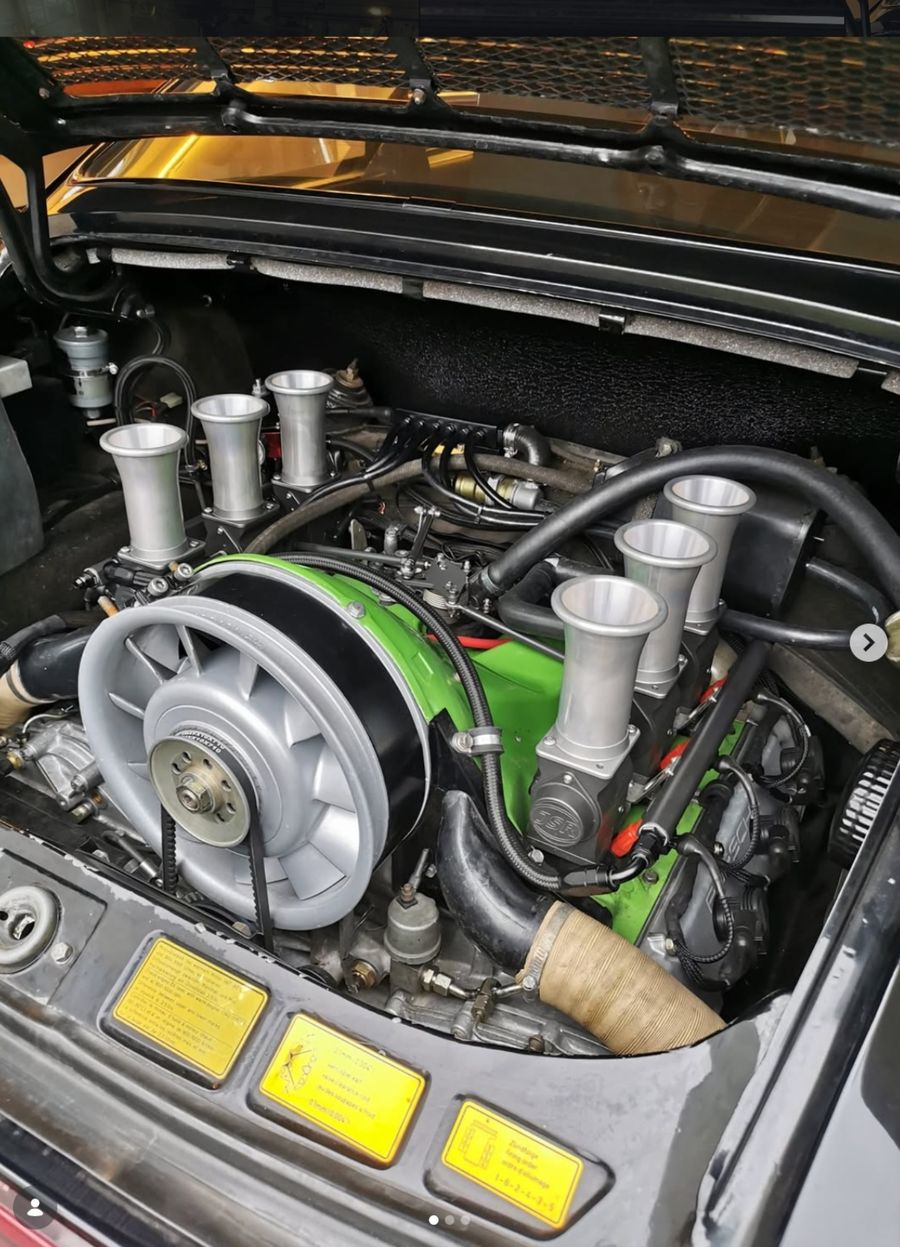
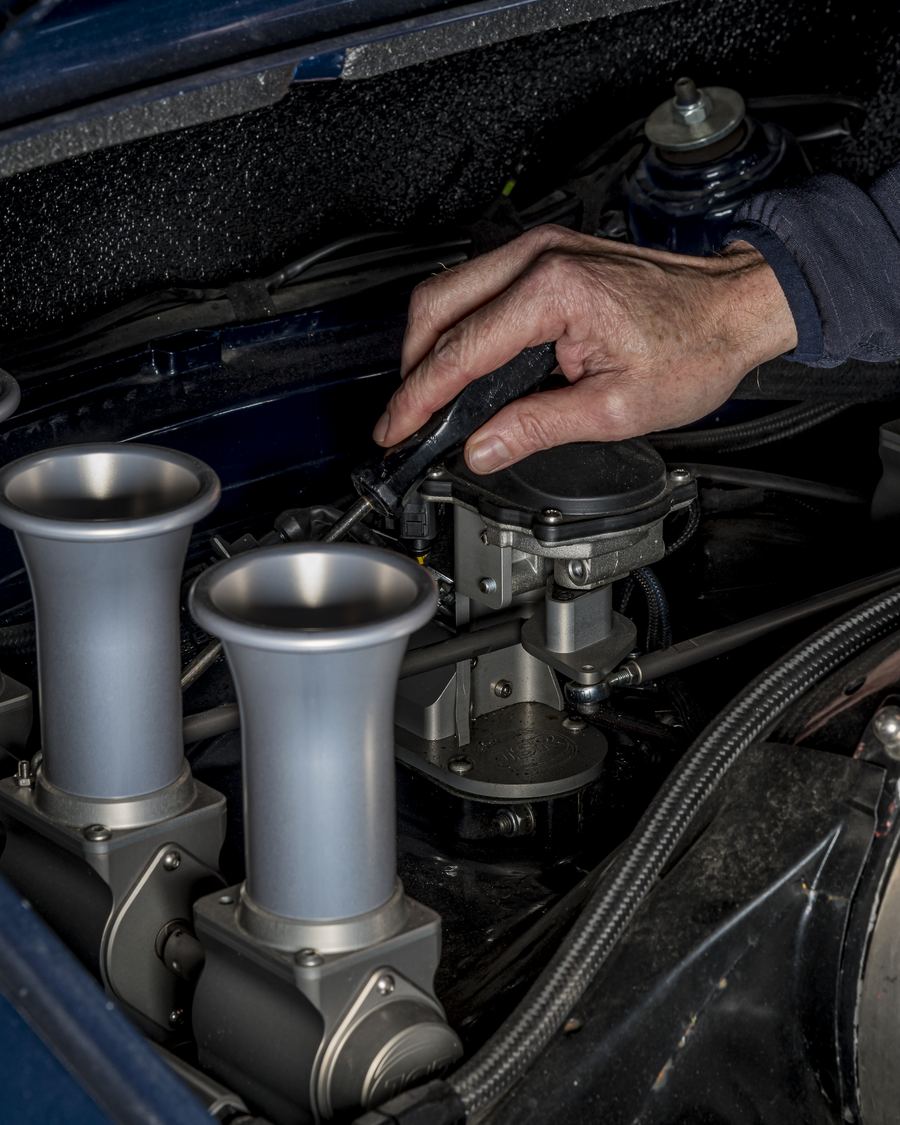
The Rennen test programme is not limited to dyno pulls. The system is being validated through real rally use - on tarmac and on gravel - with Rennen Motorsport, the Adelaide Porsche specialist workshop that handles testing and installation, because a clean workshop and a short dyno run prove very little about how an induction system lives.
Tarmac rally car
The full envelope, not just full throttle
A tarmac rally car doesn’t live at wide-open throttle. It has to idle, crawl through liaison sections, queue, heat-soak, restart - and then immediately perform under high load.
- Low-speed crawling before and after stages
- Heat soak, stop-start transit conditions
- Sharp throttle modulation and high-load climbs
- Sustained high-RPM stage running
- Engine braking and part-throttle corner exits
Gravel rally car
A filter for weak parts
Gravel rally is ugly, hot, dusty and cruel - exactly why it’s valuable. Any intake system can look good in a clean workshop; weak parts get exposed quickly out here.
- Dust, mud and debris exposure
- Vibration and shock loading
- Low-speed liaison running
- Rough-stage throttle modulation
- Heat, load and constant thermal cycling
Why this matters
Slow-speed liaison sections, heat-soaked crawling, repeated restarts, dusty and muddy gravel conditions, and sustained high-RPM stage running - that combination is exactly what a performance intake system must survive to be credible outside a show-car environment.
Gravel and tarmac validation also tests the supporting system: ITG filtration, injector behaviour, ECU calibration and MoTeC data logging. In dusty or heat-soaked rally conditions, the intake system must do more than make power - it must remain stable, protected and repeatable. Documentation from the programme will be published here as it accumulates.