No butterfly obstruction
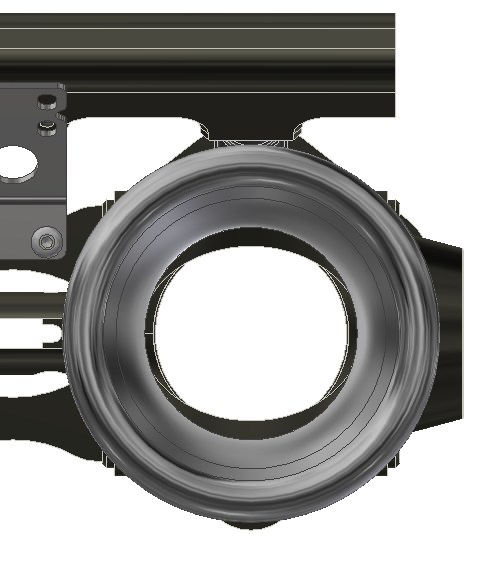
There is no butterfly valve obstructing the airflow to the engine. As the elliptical roller barrel rotates open, its aperture aligns with the bore until, at full throttle, nothing sits in the flow path - no shaft, no plate.
Rennen ITB is the complete individual throttle body system for air-cooled Porsche engines. At its core is JSR Aerobarrel Technology - a precision roller-barrel throttle design developed to reduce intake obstruction, preserve air velocity, and improve response from low-speed crawling to sustained high-RPM use.
Conventional butterfly throttles place a shaft and plate directly in the intake stream. At high load, that creates obstruction; at part throttle, it can disturb the injector area and mixture preparation. The Aerobarrel design removes the central obstruction, maintains velocity through a tapered body, and directs part-throttle airflow across the injector.
The result is not just peak power. The goal is clean airflow, stable mixture control, sharp response, and repeatable drivability from idle to sustained high RPM.
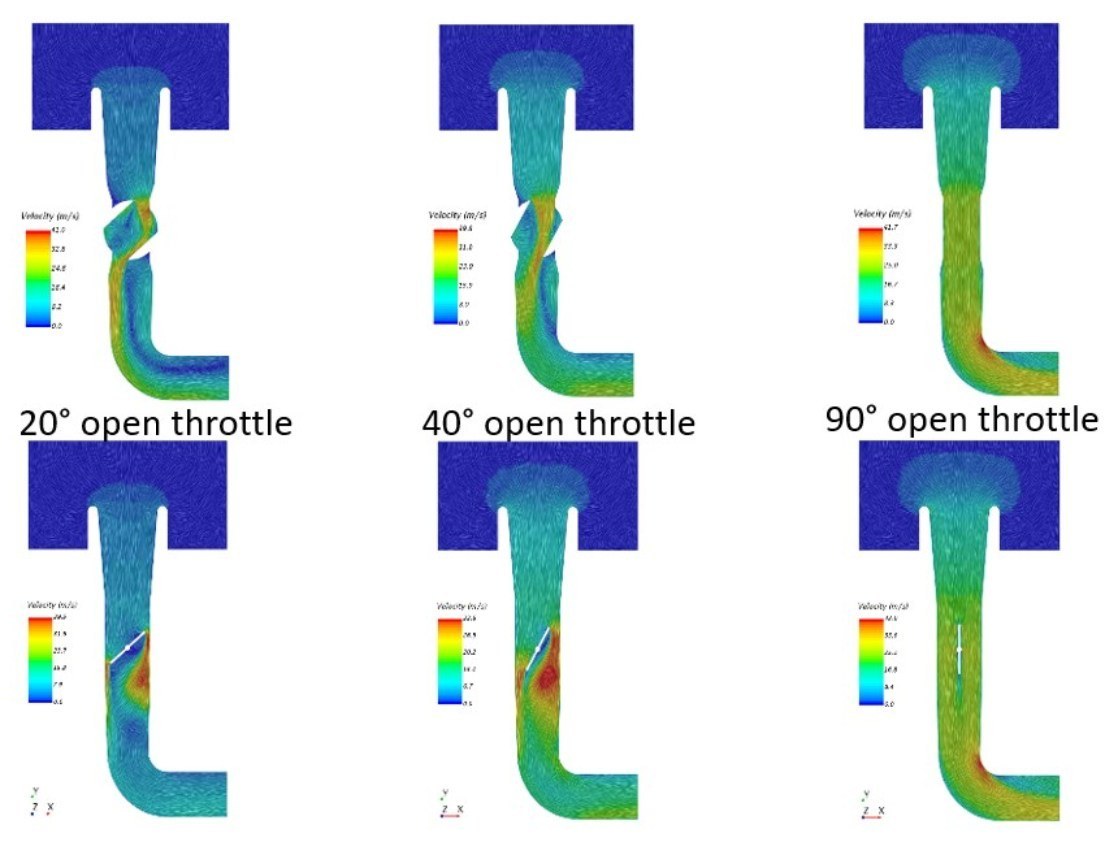
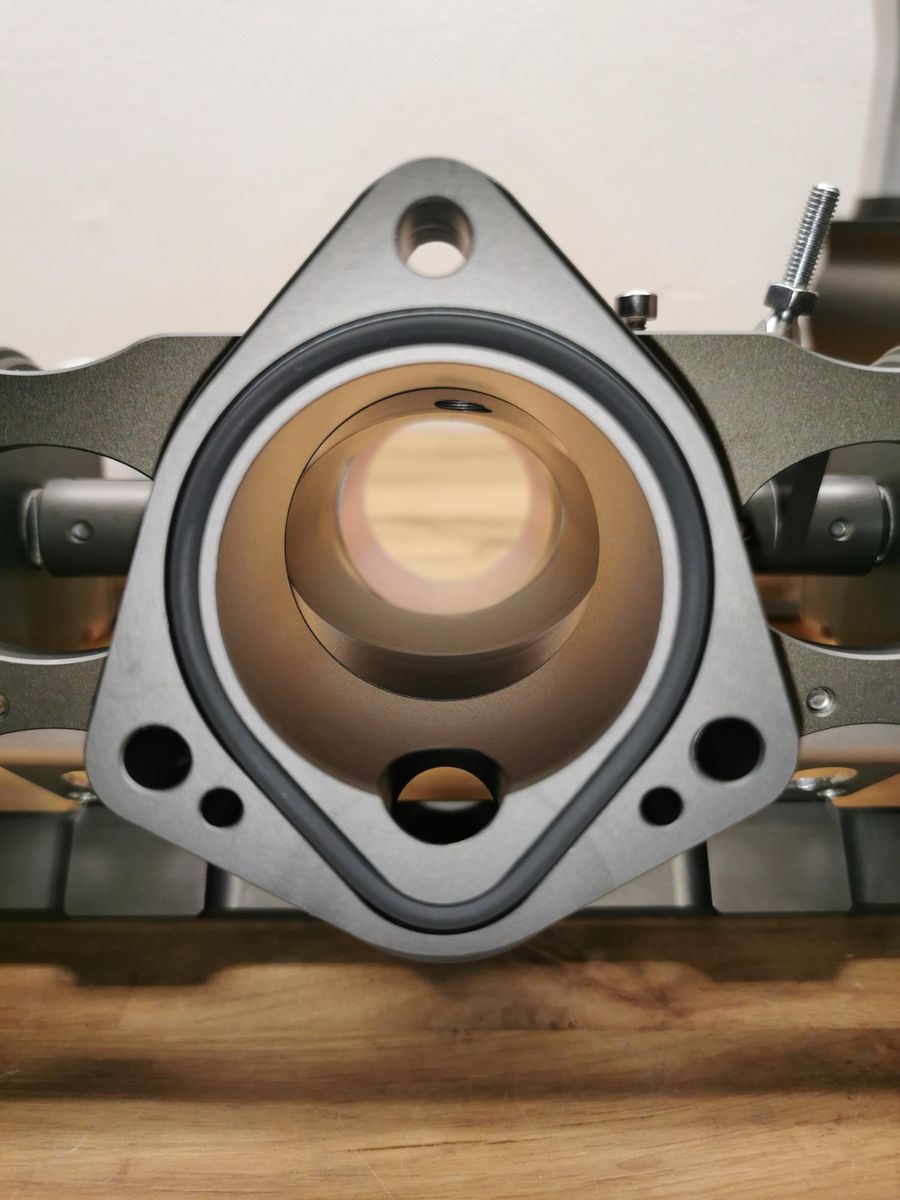
There is no butterfly valve obstructing the airflow to the engine. As the elliptical roller barrel rotates open, its aperture aligns with the bore until, at full throttle, nothing sits in the flow path - no shaft, no plate.
Without a butterfly in the middle of the airflow, the ITB diameter can be smaller for the same flow. Smaller bore means higher air velocity - and better cylinder filling.
Each throttle body is machined with a continuous taper from the air horn down to the cylinder head, keeping air velocity high and the flow path clean along its entire length.
At part throttle, the air flows directly over the fuel injector, giving excellent atomisation of the air-fuel mixture. Flow simulations show far less turbulence in the injector area than a butterfly valve produces.
The distance from the barrel to the inlet valve is short. Less dead volume between your right foot and the cylinder means an immediate, connected response.
JSR’s flow simulations and testing indicate around 20% less air restriction at full throttle compared with conventional ITBs. What that yields in your engine depends on the complete specification and calibration - see the documented customer cases.
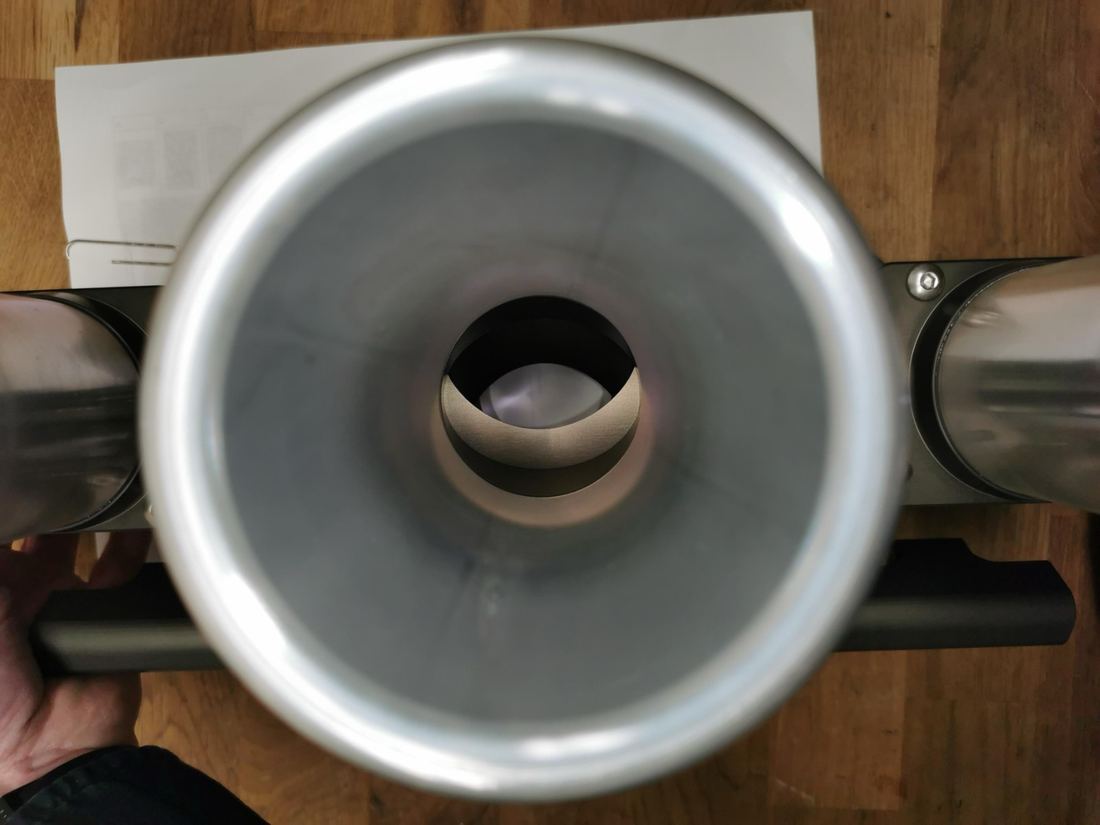
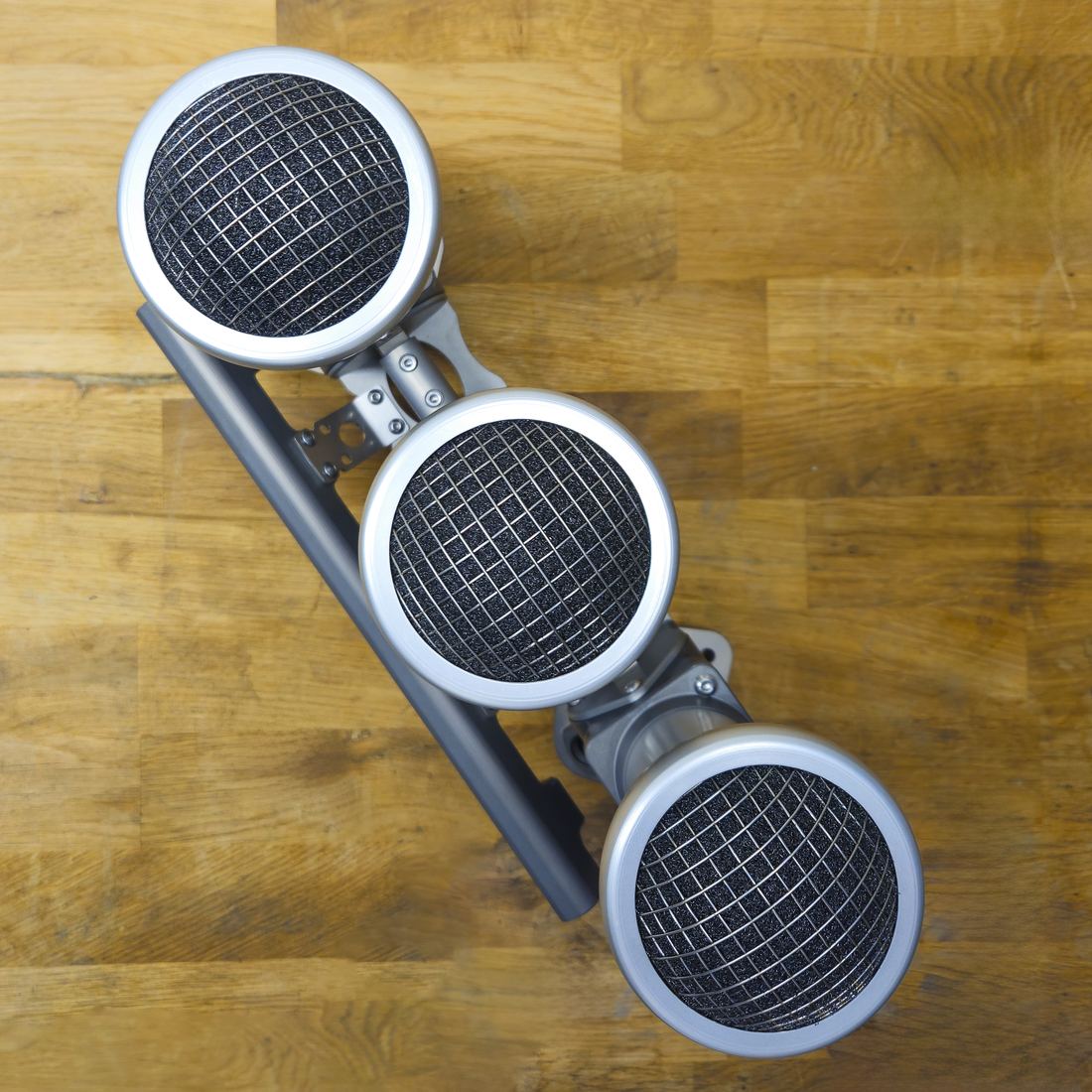
JSR Aerobarrel Technology doesn’t ask you to believe in untested ideas. It takes airflow principles proven across motorsport throttle systems, velocity-stack research and aircraft inlet design - and applies them to air-cooled Porsche individual throttle bodies in a CNC-machined roller-barrel package.
Barrel throttles have long been recognised in racing engines - including Formula 1 - precisely because at wide-open throttle they remove the shaft and plate obstruction of a conventional butterfly.
Velocity-stack and bellmouth research - including Gordon Blair’s well-known inlet work - shows elliptical inlet profiles delivering the best flow. Air does not like abrupt edges, exposed shafts or dead zones.
Aircraft inlet design pursues the same goals the Aerobarrel is built around: reduce obstruction, improve pressure recovery, reduce distortion, and keep airflow into the engine clean and even.
To be precise: aircraft don’t use this throttle body, and we don’t claim aerospace technology. We claim the same fluid-dynamic priorities, applied with motorsport hardware.
Poorly designed or oversized throttle systems can be unpleasant at low speed - airflow modulation suffers at small openings, regardless of whether the throttle is a barrel or a butterfly. Some systems on the market have earned the myth.
Throttle progression, bore sizing, injector selection and spray pattern, idle-air strategy, synchronisation, transient fuelling, ignition timing, ECU calibration, and filtration that keeps incoming air stable. None of those is decided by the word “barrel”.
Low-speed drivability is not solved by throttle hardware alone. The Aerobarrel design provides the airflow architecture, but the final behaviour comes from injector strategy, MoTeC-level calibration, ignition control, transient fuel mapping and correct synchronisation.
A correctly engineered roller-barrel system can be calibrated for crawling, heat-soaked city conditions and precise part-throttle control - then deliver unrestricted airflow when the engine is under full load. This is why the Aerobarrel is sized to your engine and heads, why synchronisation is built to hold its adjustment, and why we insist on proper standalone ECU calibration. See Installation & Tuning.
Engineered and made in Denmark: machining, hand assembly and inspection all happen in-house at JSR Engineering - the same hands that designed the Aerobarrel build every system.
| Billet material | All parts CNC-machined from EN-AW 6082-T6 aluminium |
|---|---|
| Surface finish | Hard-anodised gunmetal grey for durability and corrosion resistance |
| Throttle element | Elliptical roller barrel - no butterfly valve in the bore; mounted in sealed ball bearings for durable, trouble-free operation |
| Bore geometry | Continuous taper from air horn to cylinder head; bores from 39 to 45 mm by system, custom sizes machined on request |
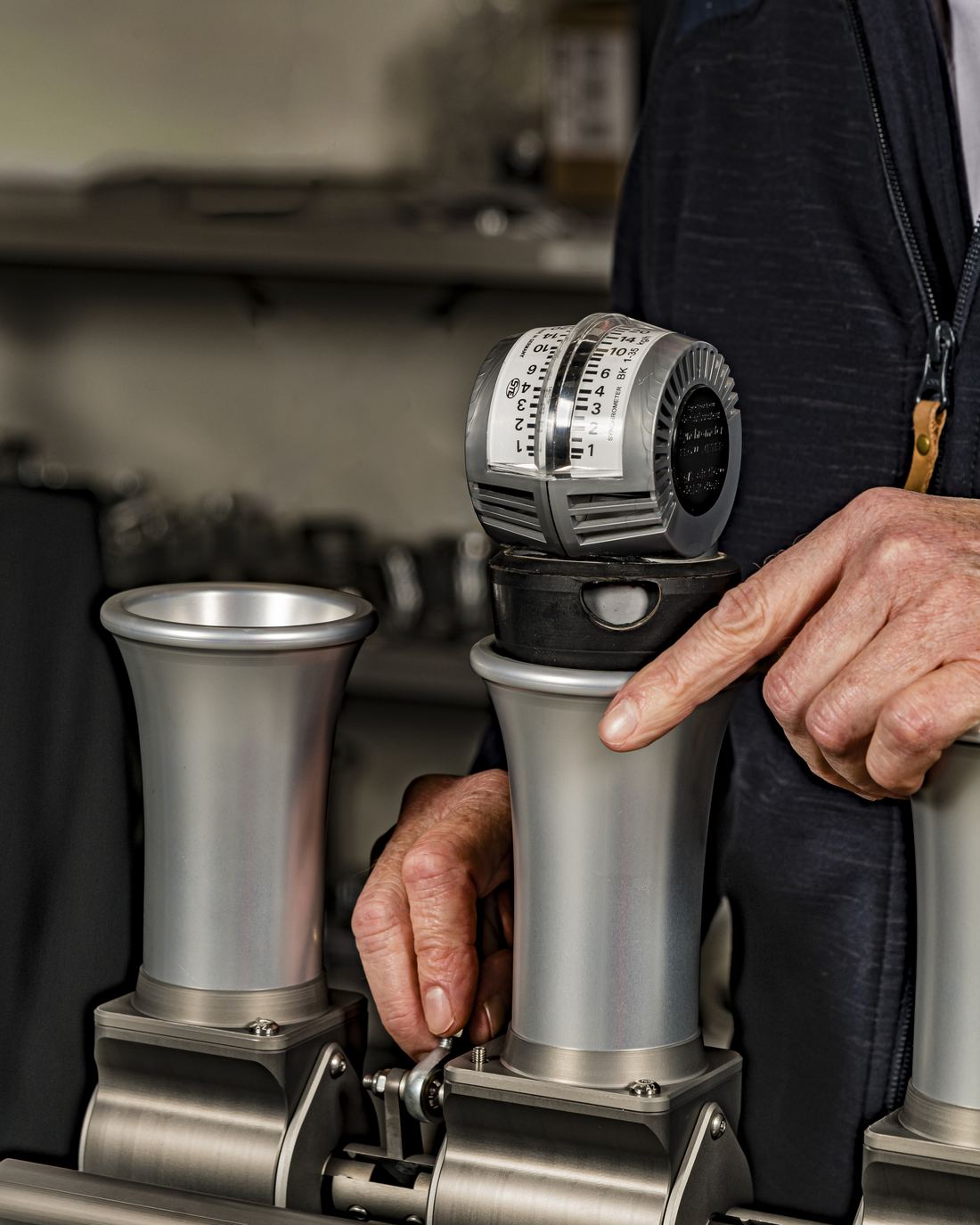
| Machining precision | Evenly distributed airflow across all six throttle bodies thanks to high-precision CNC machining; easy synchronisation due to tight tolerances and few joints, with a robust construction that holds its adjustment over time |
| Hardware | Quality bearings and rod ends throughout, with stainless fasteners |
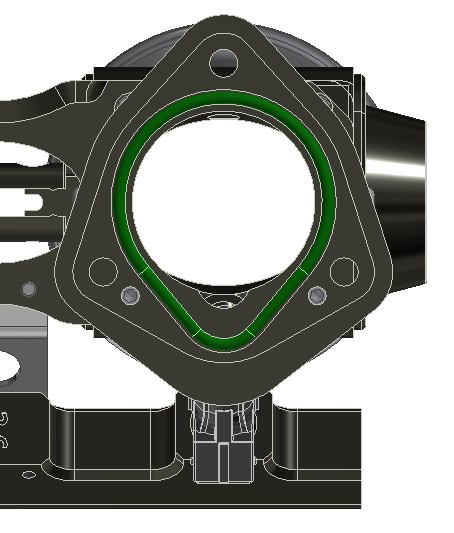
| Sealing | All sealing by Viton O-rings to prevent false air |
| Injectors | Made for the EV6 injector type; other types can be made to order |
| Supplied with | Complete throttle linkage incl. rod ends, and fuel rails with bracket for short or long injectors - ready to fit, no modifications needed |
| Engine management | Standalone ECU calibration required - we recommend MoTeC and can provide a MoTeC base map |
A Rennen ITB installation is more than the throttle body hardware. Correct injector selection, ECU strategy, calibration and filtration are essential to achieving clean idle, low-speed drivability, throttle response and sustained high-RPM performance.
The Aerobarrel design places strong emphasis on how air passes the injector area, but injector choice still matters. Injector size, spray pattern, fuel pressure and ECU calibration all influence idle quality, transient response and high-RPM stability. Selection is matched to engine size, duty cycle and use case - final Porsche 911 EFI injector specification is confirmed during build planning and tuning.
For high-end Porsche ITB builds, MoTeC engine management offers the level of fuel, ignition, transient and data control required to fully exploit the system - especially valuable where the car must idle cleanly, crawl in traffic, restart when heat-soaked and then run at sustained high RPM under rally or track load. MoTeC is our preferred ECU pathway, and a base map is available; other quality standalone ECUs are supported.
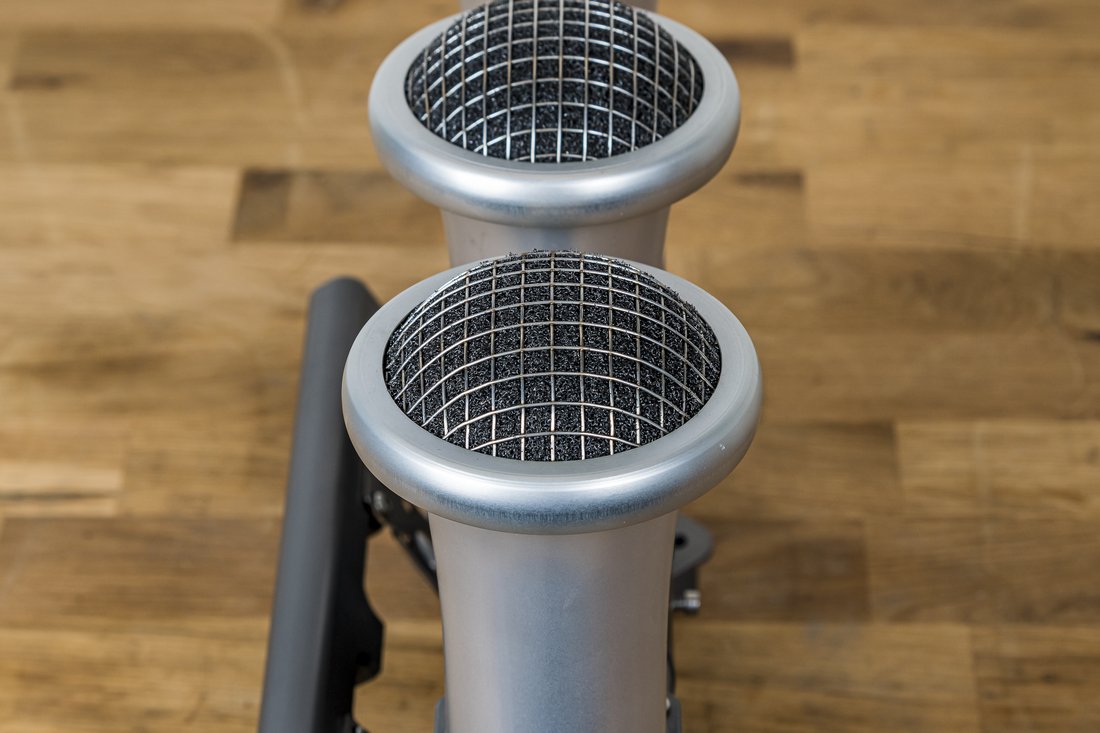
ITG filtration is used to protect the induction system without compromising the airflow character of the ITB package. For gravel, rally and dusty road environments, filtration is not an accessory - it is part of the engineering requirement. Filter selection depends on engine bay, use case and intake layout, from road filters to motorsport and rally specifications.
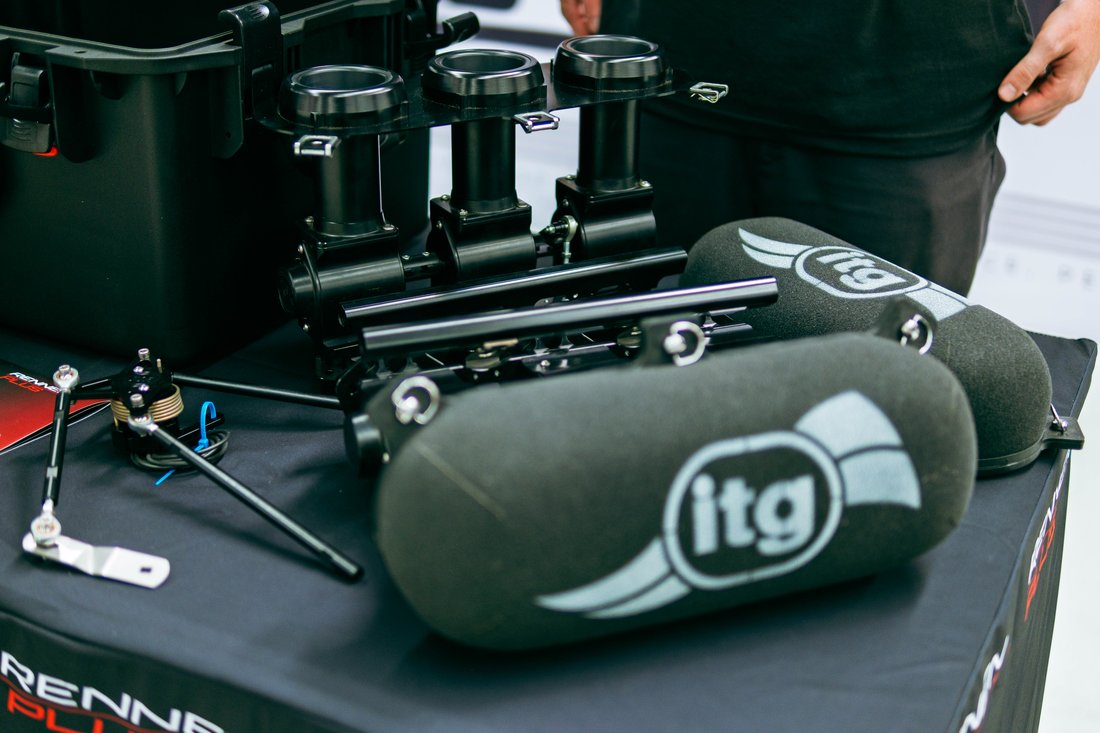
Air enters through ITG filtration → passes through the Aerobarrel ITB → fuel injector atomisation → ECU-controlled fuel and ignition strategy → engine response.
Shaft and plate remain in the airstream at every opening - including full throttle.
At full throttle the barrel rotates completely out of the bore - nothing obstructs the airflow.
Representative system visualisation, not measured data. JSR’s flow data indicates approximately 20% less airflow restriction at full throttle than a conventional butterfly ITB of comparable size.
Every quotation is matched to your displacement, cylinder heads and engine management. Custom bore sizes are available on request.