PPN-accredited workshop
Porsche Partner Network member with PIWIS dealer-level diagnostics, genuine parts and factory-schedule discipline - the standard the test programme is run to.
A Rennen ITB conversion performs as designed only when it is installed correctly and calibrated properly on a standalone ECU. Here is what the process looks like - and what we provide to support it.
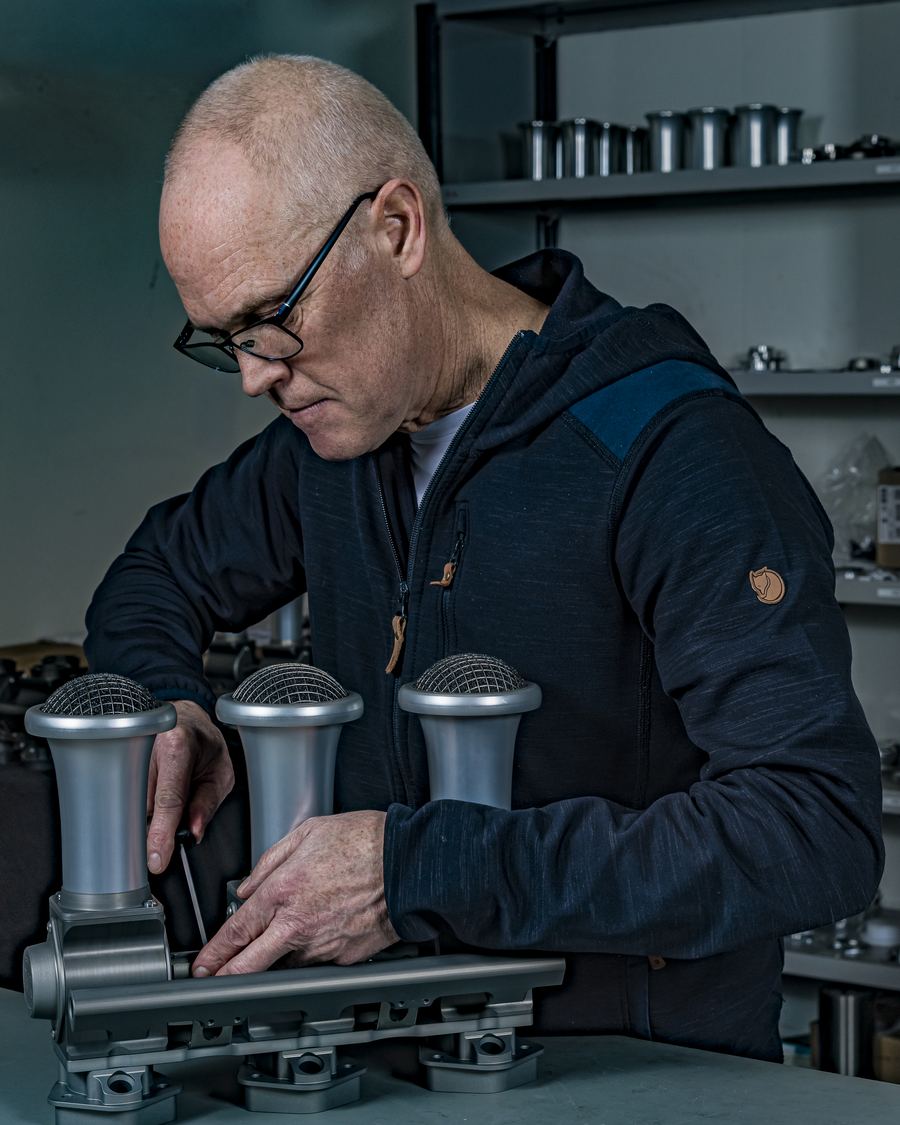
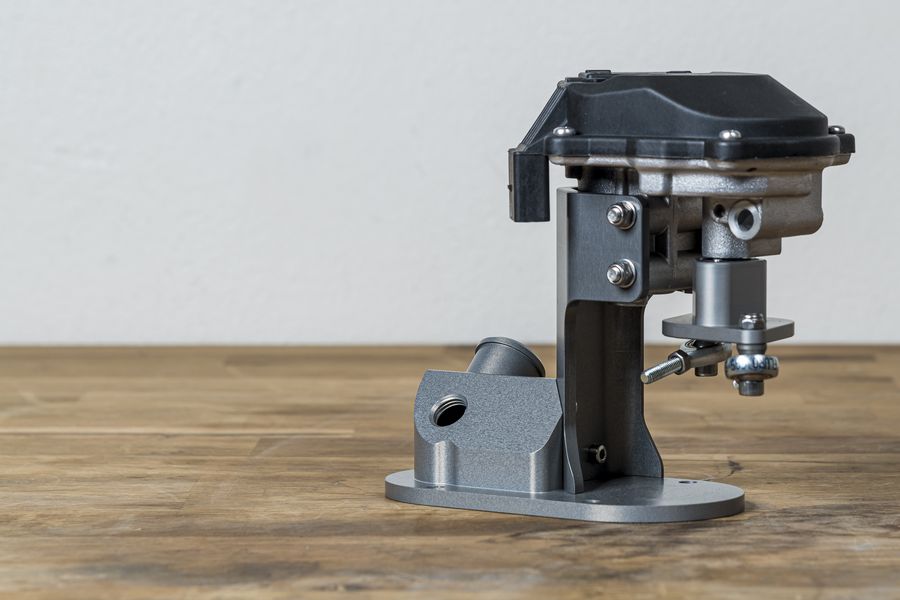
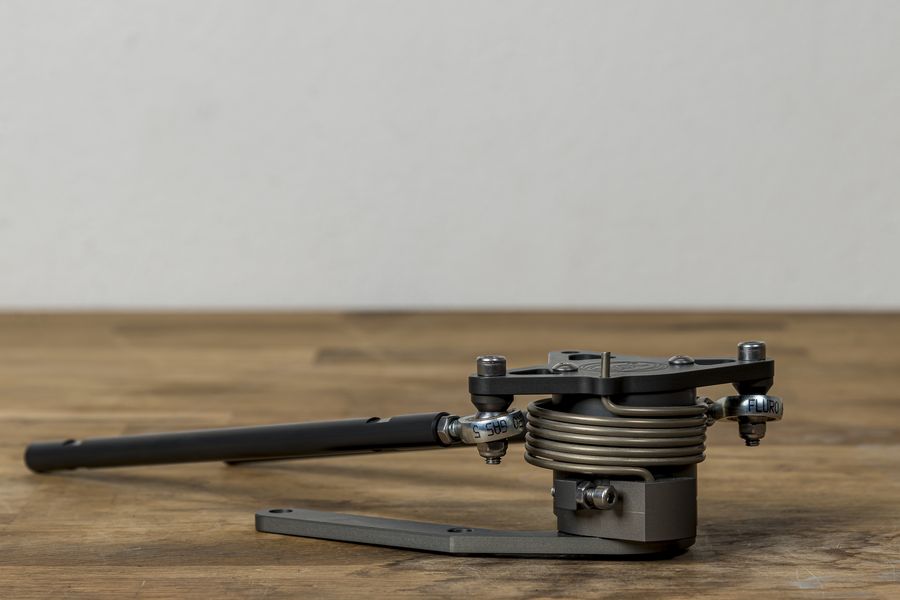
We don’t promise headline power figures. The system reduces intake restriction and improves part-throttle atomisation; what that delivers depends on your complete engine specification and the quality of the calibration.
Real-world testing and reference installations of Rennen ITB systems are carried out with Rennen Motorsport, Adelaide’s dedicated Porsche specialist workshop - one of very few independent Australian workshops holding official Porsche Partner Network (PPN) accreditation, with 30 years of Porsche-only experience and deep air-cooled Porsche specialism across 930, 964 and 993.
Porsche Partner Network member with PIWIS dealer-level diagnostics, genuine parts and factory-schedule discipline - the standard the test programme is run to.
Motorsport preparation, trackside driver support and an Adelaide Motorsport Festival presence - the team behind the tarmac and gravel validation running.
Australian customers can have Rennen ITB systems installed and calibrated on a 911 at the workshop: 20–22 Commercial Street, Marleston SA · 0412 888 441.
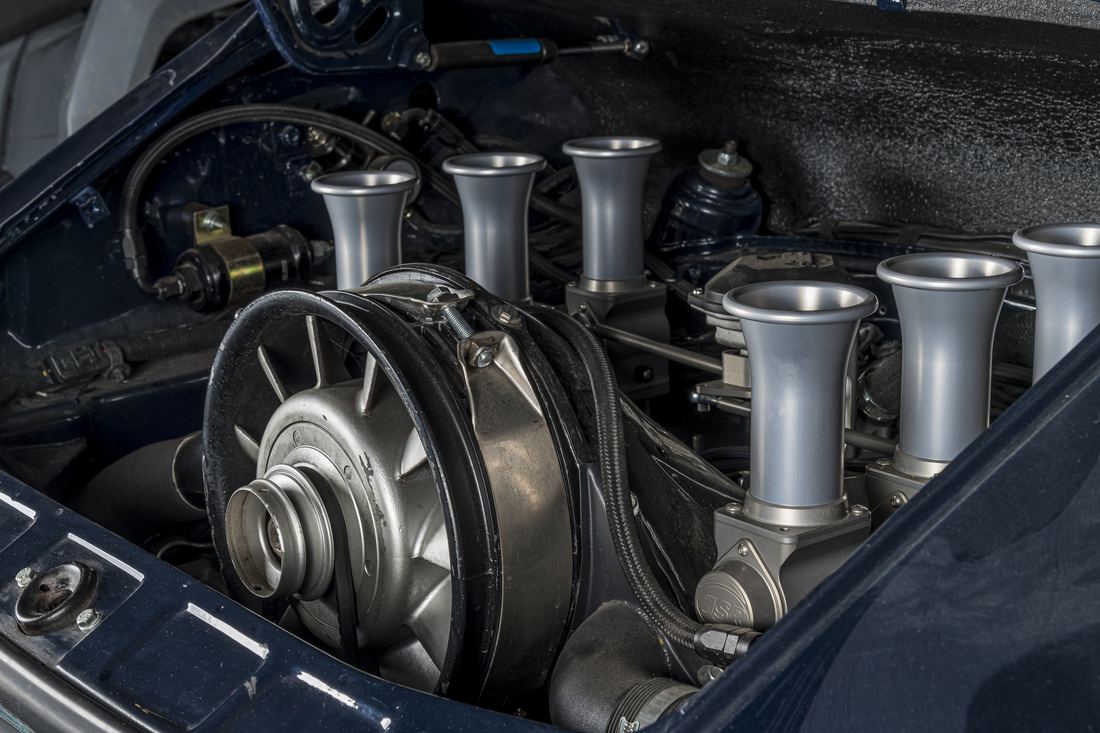
Yes. The Rennen ITB system requires standalone engine management with proper calibration. We recommend MoTeC and can provide a MoTeC base map to start your calibration from. Other quality standalone ECUs can also be used by an experienced tuner.
Three bore families cover air-cooled engines from 2.7 to 4.0 litres: Small Bore for 2.7–3.0 litre engines with 2-stud heads (39 or 41 mm intake bore); Medium Bore for 3.2–3.6 litre engines with 2-stud or 3-stud heads (42 mm); Large Bore for 3.6–4.0 litre engines with 3-stud heads (45 mm). Custom bore sizes are machined on request.
Each system includes six roller-barrel throttle bodies with complete throttle linkage including rod ends, and fuel rails with a bracket for short or long injectors - ready to fit, no modifications needed. The bodies are CNC-machined from EN-AW 6082-T6 aluminium, hard-anodised, with barrels in sealed ball bearings and all sealing by Viton O-rings. Optional add-ons include stacks/trumpets and plenum flanges in various sizes.
It depends on your complete engine specification and calibration, so we don't promise blanket figures. JSR's flow testing indicates around 20% less air restriction at full throttle than conventional ITBs. Documented customer builds range from a +22 hp gain on a 3.0 to +96 hp on a fully built 2.7 - see the Customer Cases page for full build specs and dyno results.
Mechanically capable owners can fit the hardware, but we strongly recommend that final setup - throttle balancing, fuelling and ignition calibration - is completed by an experienced specialist on a dyno.
Yes - when correctly sized and calibrated. Low-speed drivability is governed by throttle progression, bore size, injector targeting, idle-air strategy, synchronisation, transient fuelling and ECU mapping, not by whether the throttle is a barrel or a butterfly. The Rennen ITB system is sized to your engine and heads, its synchronisation is built to hold adjustment, and with proper standalone ECU calibration it can be mapped for crawling, heat-soaked city conditions and precise part-throttle control - then deliver unrestricted airflow at full load. Rennen's own rally test cars cover slow liaison sections and heat-soaked transit as part of validation.
Yes. Barrel throttles have long been used in racing engines - including Formula 1 - because at wide-open throttle they remove the shaft and plate obstruction of a butterfly. Elliptical inlet shaping is similarly well established in velocity-stack and aircraft inlet research. JSR Aerobarrel technology applies these proven airflow principles to air-cooled Porsche individual throttle bodies in a CNC-machined roller-barrel package, validated through dyno testing and an ongoing tarmac and gravel rally programme.
The ITBs are made for the EV6 injector type, and other injector types can be made to order. Injector size, spray pattern and fuel pressure are matched to your engine and ECU during build planning - part-throttle fuel behaviour matters on ITB engines. If your engine runs an air conditioning compressor, an option with a flat right-hand-side throttle body is available.
We offer an ITG filtration option as the preferred solution - road filters for street use, and motorsport/rally specifications for gravel, tarmac rally and dusty environments. On an ITB engine, filtration is part of the engineering requirement, not an accessory: it protects the induction system without compromising the airflow character. Filter selection depends on your engine bay, intake layout and use case.
Rennen ITB systems are distributed exclusively in the UK and Europe by Design 911. Customers in other regions are served globally by Rennen Plus - or request a quote and we'll direct you.
Every quotation is matched to your displacement, cylinder heads and engine management. Custom bore sizes are available on request.